
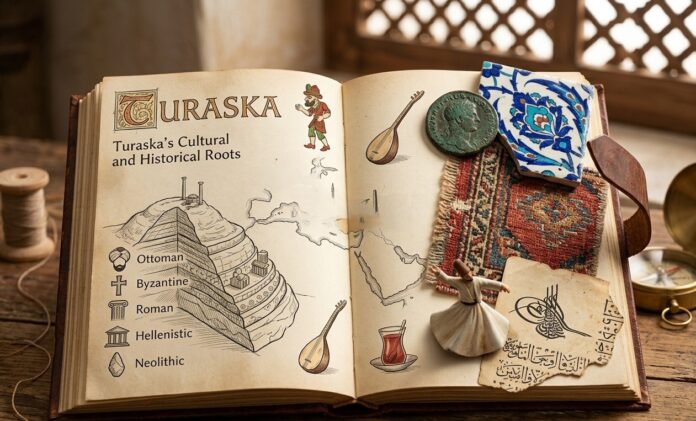
Turaska is an eminent name with significant historical and cultural significance. Understanding the significance behind Turaska lets us know its origins and how it has changed the way people see them all across Central Asia. The term Turaska is used in writings from the past, and also in ancient languages and current research, which reveals the unspoken details about how people viewed themselves a long time ago. When we study the fascinating tale of Turaska and uncover the significance it had in shaping the culture as well as the broader history.
This article offers the complete history of Turaska and its role on Central Asia, and its continuing relevance to the modern world. Discover the significance of Turaska and the significance it has in the story of humanity.
Introduction to Turaska
Turaska isn’t just a name but rather a pulsating tale of history, culture and tradition that has been weaved throughout the years. It’s located within the middle of its population. Turaska signifies more than a few rituals or festivals. It’s a symbol for the identity of. From ancient practices to the modern way of thinking the rich culture is flourishing regardless of the changes across the globe. Explore the history of Turaska at the genesis and significance that lie behind Turaska and shed information on its development and remained deeply rooted in its cultural environment. If you’ve heard of Turaska or heard about it at first it’s a lot to learn in this fascinating journey!
The Origins of Turaska and Its Cultural Significance
Turaska has a deeply-rooted tradition that dates back centuries. Its roots are typically linked to traditional practices of the indigenous people who were devoted to the natural world and their relationship to the earth.
This vibrant practice is the depth of rituals, beliefs and stories that have been passed down through many generations. Each part of the practice offers an insight into the beliefs and values of the people who were practicing this practice.
The importance of culture to Turaska is not just a celebration of traditional values It’s a reflection of the persona of the people who participate. Participants take part in activities which strengthen relationships between communities, while highlighting the common heritage and goals.
Music, art and dance as well as craft are key elements of Turaska. They serve not only as entertainment but also as means for storytelling–illuminating life lessons woven into each performance or creation.
As time the years pass, these techniques are constantly changing while maintaining their essence. This is evidence of the durability of these methods in the ever-changing world.
traditions, customs and Customs that are associated with Turaska
Turaska is awash with customs and traditions that reveal their roots to the indigenous culture. The most significant aspect of these customs are the celebrations that mark the seasons change and the cycle of agricultural. The communities celebrate with colorful celebrations as well as dress up in their traditional clothing and show their heritage.
Music and dance are the main elements of festivities. Local instruments produce a unique soundscape that beckons everyone to be part of the celebrations that honor community spirit.
Craftsmanship is another feature in the Turaska traditions. Artists pass their knowledge down the generations of their family, turning out intricate works that tell tales of their past. These works usually have symbols that speak to the ancestry and nature.
Food is a special place. Traditional dishes that are made from local ingredients are made to celebrate gatherings, building bonds between families and friends as well as preserving recipes passed down through the decades.
It’s an Evolution of Turaska over Time
The tale of Turaska is a fascinating tale that weaves through time. It was originally based on ancient rituals, but it later was a flourishing symbol of belonging and community. Over time influences from outside have influenced the rituals.
As trade routes expanded, different cultures brought new dimensions in the mix. Art, storytelling, and music grew along with trade trading routes. This fusion increased the value of Turaska but also caused debate over the authenticity of.
In the present era, technology has played a dual function. Social media platforms enable a wider diffusion of traditional Turaska however, they may affect their fundamentals. The younger generation is challenging traditional views as they try to make them modern.
Festivals that were once thought to be solely local in significance are now attracting international attention. Every year new ways to celebrate are created when people gather to celebrate new ideas and recognize their origins of centuries old. The dynamic nature of Turaska remains a testament to the ever-changing conditions of the society.
Modern Interpretations and Celebrations of Turaska
Presently, Turaska thrives in various modern styles that blend traditional and modern. Celebrations of this cultural gem draw different audiences. They highlight traditional music and dance as well as new shows.
Artists are reimagining Turaska themes with contemporary art linking the past to today. This kind of fusion is triggering discussions about the concept of heritage and identity with the younger generation.
Social media play a vital part in spreading awareness of the importance in Turaska. Platforms like Instagram and TikTok offer vibrant images which showcase the rituals and customs that bring the topic into the spotlight of worldwide viewers.
Workshops focusing on traditional crafts that are connected to Turaska can be a wonderful method to involve communities. Participants learn old-fashioned methods while helping to the preservation of these practices to the next generation.
Culinary variations also result from this rich history when chefs blend traditional recipes with modern dining experiences that captivate foodies from all over the world.
Preservation Efforts and Challenges Faced by the Tradition
The protection of Turaska is important as well as difficult. With the advancement of technology, the old methods of living, they are in danger to disappear.
Communities have organized workshops to teach the younger generation about the significance of this celebration. These gatherings allow people to share stories and memories of Turaska.
But, funding remains an problem. Many grassroots groups are struggling to raise the money needed to fund preservation initiatives. Without financial support, efforts may be a failure.
Additionally there is often a discordance between the traditional and modern way of life. Many young people consider these practices to be outdated or irrelevant within their busy lives.
awareness campaigns have been created to help bridge the gap stressing the significance of Turaska in modern world. The enthralling dance and music forms dance demonstrate how traditional practices can be modified while preserving the essential principles.
This requires cooperation between governments and communities, as well as people who advocate for culture and are determined to ensure that Turaska thrives for the future generation.
Conclusion: The Enduring Legacy of Turaska
Turaska provides a thriving illustration of the resilience of culture. Its roots are deep and lasting, linking generations through shared stories and traditions.
As the world changes, Turaska continues to adapt but it retains its essence. The ability to mix old and the modern makes it useful in the present day.
Communities can commemorate Turaska not just for its history but as a symbol of what it represents to us today: a sense connection and an underlying sense being part of. The ceremonies that are part of the tradition promote the unity of all who are part of it.
Additionally, the constant efforts to document and share these methods will ensure that the generation to come are aware of their significance. Fans are determined to keep the spirit of the past alive regardless of the current challenges.
The involvement of younger members has given new life traditional celebrations, proving that Turaska isn’t merely an old time capsule. It is in fact a dynamic entity that is a reflection of the dynamism and history of the region beautifully.
Frequently Asked Questions
Q1. What does Turaska to represent?
A. Turaska is a symbol of the culture and tradition of the community continuity through the incorporation of the traditional ways of life.
Q2. Which are best ways to be a part of Turaska Celebrations?
A. The process of participating differs based on the locale and the region, but typically involves participating in local celebrations or gatherings which honor the custom.
Q3. Are there specific rituals associated to Turaska?
A. Certain rituals emphasize that it is important to respect nature as well as ancestral roots are tied closely to the story of the community.
Q4. Are there efforts put into preserving Turaska?
A. Cultural heritage-focused organisations work tirelessly with local communities to document the practices that are vital to educate people about their importance.
Final Result
Turaska is a lyrical evidence of the rich history and cultural weaving of its origins. Its significance transcends the boundaries of traditions and weaves itself into the core of community’s identities. The practices related to Turaska offer deep connections to nature and the past and also demonstrate the ways in which these practices have been handed through generations.
As the years go through, Turaska has evolved. Modern interpretations have infused new energy into the traditional ways of life, but they preserve its essence, which is what makes it unique. Celebrations of today may look different from the ones of the past however they are based on the same values and sense of belonging.


