
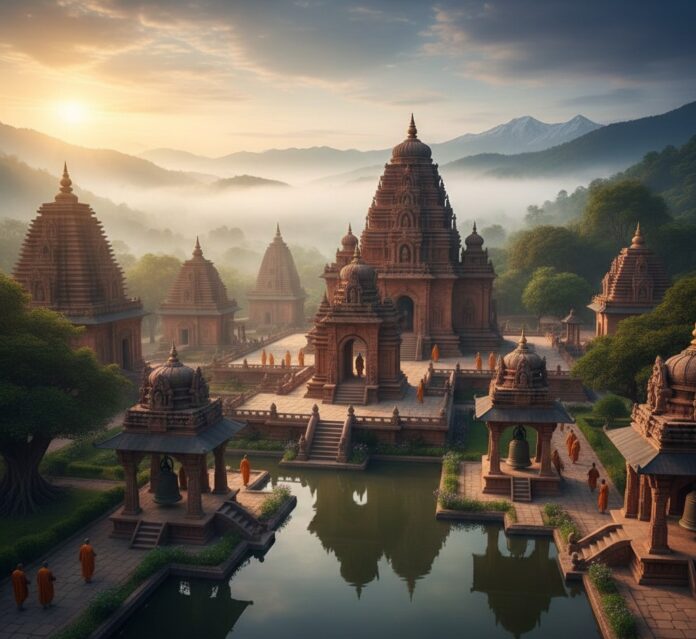
Templescsn provides a unique blend of culture, religion and tradition, which encompasses the most sacred sites around the world. The journey through Templescsn will show not only incredible architecture, but also the profound relationship between religion and human experience. Each temple within Templescsn is a story of its own telling the traditions and beliefs that have affected the lives of people across long periods of. From stunning artwork to ancient rituals Templescsn allows you to peek in the past and shape the current.
Find out why it is to go to Templescsn and learn the ways these holy sites continue to inspire reflection, peace and spiritual growth. Learn about the meaning of being participant in Templescsn and the part that it has in shaping the identity of the community at.
Introduction to Templescsn
Templescsn is an intricate web of threads that connect religious, cultural and communities. These sacred sites aren’t just architectural wonders. They reflect the traditions and beliefs that have shaped our society over many years. If we take a dive into the fascinating world of Templescsn, we’ll discover about its diverse and rich tradition, its unique practices, as well as their significant significance in modern-day society. If you’re looking for religious understanding or are simply curious about the significance of culture to the temples, there’s plenty to discover in this fascinating universe. Join us on a journey to find out more about how Templescsn is connected with people across the globe!
History and Origins of Templescsn
Templescsn are a part of an extensive and diverse background that dates back hundreds of years. They were built as sacred spaces in which spirituality and community interacted.
Temples’ origins can be traced to the beginning of civilizations. Each integrated their unique beliefs and customs in temples. They were usually worshiped by gods and also served as places of ceremonies and ceremonies.
Through the course of time, Templescsn evolved significantly. Different cultures have added their own styles of architecture and symbolic significance. This change is a reflection of the changing spiritual landscape that has developed over the course of time.
The results of archaeology show that temples served an important role in society, besides the practices of religious beliefs. They were also places of education, art and culture as and occasions for gatherings.
As societies grew and became more complex and complex, so did the significance of temples in its buildings. Their impact was more than just the stone and became living entities that symbolized the culture, religion and a sense of identity that transcended generations.
Beliefs and Practices of Templescsn
Templescsn weave a beautiful web of rituals and beliefs that are deeply embedded within their community. Spirituality is flourishing in this area and rituals play a role to bridge the gap between the spiritual and the everyday.
prayers are given to worshipers throughout the throughout the day. They are often inspired by ancient texts or local traditions. Offerings of flowers, fruits and even incense are common. Each gesture is a sign of the gratitude and dedication.
Ceremonies are crucial in life events like weddings, births as well as commemorations. These celebrations encourage the unity of all those involved and also celebrate cultural customs.
Festivals are a major part of the celebrations also. Festivals that are vibrant and filled with music, dancing, and food highlight the positive aspects of faith. They are a time of reflection about the values we all share.
Temples with meditation rooms aid in cultivating inner peace. People can be calm in the midst of chaos through practicing mindfulness practices that are founded on the wisdom of centuries.
Through these diverse manifestations of faith as along with involvement with the wider community. Templescsn continue to be vital for creating a spiritual identity for all generations.
The Role of Temples in the Community
Temples aren’t only places of prayers. They’re also lively community hubs where people can meet for various activities.
In different cultures, they function as locations for social interaction as well as offer support. Families gather to celebrate holidays, customs, and important events in these sacred spaces.
Temples are typically equipped with educational resources and also. The classes on religion, art or languages could increase the understanding of the community.
Also, in moments of crisis or need, temples can often be in a position to assist people who are who are in the need. This can be anything from food drives to counseling.
The sense of belonging built through these groups is truly inspiring. People are comfortable in the common values and experiences which create bonds of community.
Temples form an extensive web of interconnection among diverse communities, while also promoting spiritual growth and tradition within their communities.
Famous Templescns Around the World
Templescsn can be found all over all over the world, featuring distinctive designs and significance to tradition. The most important of these is Angkor Wat in Cambodia. The magnificent temple complex showcases both Hindu and Buddhist influences and draws admirers with its amazing bas-reliefs.
In India The ancient Brihadeeswarar Temple is a classic instance that is a classic example of Dravidian architectural. The imposing vimana and stunning sculptures tell tales of the past and dedication.
In Japan In Japan, the Fushimi Inari Taisha is enthralling with a vermillion-sized array of torii gates that ascend to Mount Inari. The temple is dedicated to Inari who is known as the Shinto god of rice.
Around the world, All over the world. Parthenon in Greece is a classic structure as it pays homage to Athena. Each temple has deep spiritual bonds to the local population and tourists as well.
Temples are not solely for worship, and they have rich stories which have an impact on the current.
Modern Day Relevance and Adaptations of Templescsn
Templescsn have witnessed major changes in the current time, and have been able to adapt to modern society while still retaining their original principles. These sacred spaces provide a place for social interaction and also to facilitate cultural exchange.
Many temples have added technology to enhance rituals. Live streaming of ceremonies allows anyone all over the world to participate in rituals on the internet. This has extended the scope of live streaming far beyond the boundaries.
Furthermore temples are turning into the hubs of social justice projects. They are dealing with pressing issues like poverty, education, as well as ecological sustainability. In doing so, they serve the dual role of spiritual refuge as well as a shining beacon of hope.
Art classes, yoga lessons or exhibits draw people from every walk of existence. These modifications allow younger generations to explore spirituality in ways that are in tune with their own.
In an environment that is constantly shifting, Templescsn continue to embody the spirit of resiliency by blending traditional values with the most recent. Their significance is cultivated through creative ideas and an unwavering commitment to the well-being of the communities they serve.
Conclusion: Embracing the Spirituality and Culture of Templescsn
Templescsn go beyond being architectural marvels. They are living representations of spiritual heritage and their cultural identity. Each temple is unique and has its own narrative that links people to their past and creates connections to the local community.
The sacred spaces, one is able to engage in the contemplation of oneself and others. The rituals that they carry out inside their walls are intimately connected to human experiences that create the feeling of belonging.
The pace of life alters, so do the temples, too, are able to adapt to the demands of the modern world while preserving their spirituality. They are an ideal place for meditation and study the constantly changing technological world.
The acceptance process of Templescsn involves accepting differences and accepting diverse views on the spiritual realm. It encourages us to delve into the complexities of our beliefs, while respecting the different traditions of other people. The journey enhances our personal growth and strengthens connections with the rest of the world and ultimately weaves a beautiful human tapestry that is common to all.
Frequently Asked Questions
Q1. What is Templescsn exactly and what exactly is it?
A. Templescsn refers to a concept that blends spirituality, culture and also the past. It is a concept that presents sacred places where tradition of religion as well as culture and architectural beauty are combined. It symbolizes the profound connection between God and the human through temples that have existed for many centuries as a symbol for the peace of love and harmony.
Q2. How can the method that Templescsn has influenced the contemporary world?
A. Templescsn has a profound influence on modern society by conserving the traditions of ancient and spiritual practices, but also by innovating modern designs, rituals, values and rituals.
Q3. Why are temples important to Templescsn?
A. Temples are at the core of Templescsn which is a tangible evidence of faith, peace and the connection of humanity to God. They hold a important historical and spiritual significance as they provide places of prayer and reflection as well in gatherings of the entire community. They also have helped shape communities all over the world.
Q4. What is the function of architecture?
A. function does architecture play in Templescsn What is the role of architecture in Templescsn architecture has a significant function in displaying sacred culture, identity and the history. The style and design of temples are an integral part of the concept of highlighting the symbolic and artistic link to the spiritual and common.
Q5. How can one learn about Templescsn today?
A. What can you do to discover Templescsn is now possible through visiting temples, gathering information about their history as well as their architecture, and examining the ancient practices they represent.
Final Result
Temples are more than just places for worship. They are a rich collection of culture and religion that has evolved through the course of time. Informed by ancient traditions the sacred spaces serve as a bridge for generations of people who share their beliefs and values.
The history of Templescsn is a complex one, dating back to different cultures who worshipped God by constructing unique structures as well as rituals. Each temple is unique and reflects the aspirations of the community as well as their dedication. People are frequently captivated by the deep connection between religion and architecture.


